
Forklift Training
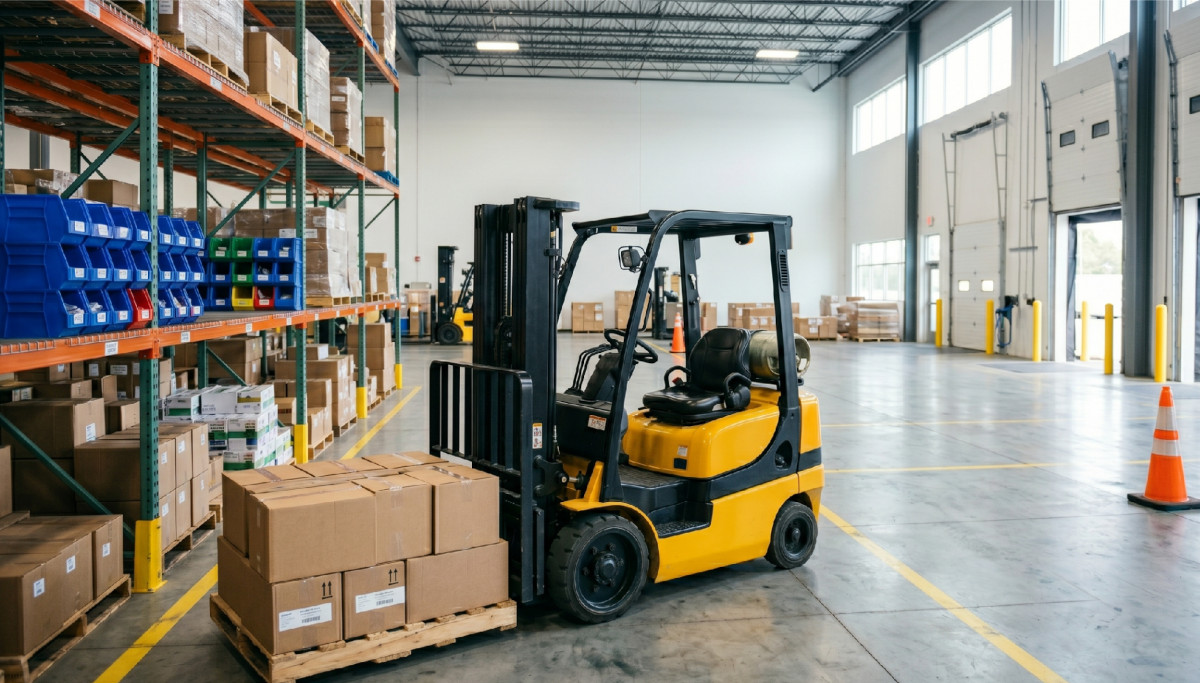
Beyond Compliance: The Top 10 Reasons Forklift Certification is Non-Negotiable
Let's be honest: forklifts are essential, but they are also heavy, dangerous pieces of equipment. When the person behind the wheel doesn't know what they're doing, things go sideways fast. You can easily and accidently end up dealing with damaged products, broken equipment, or worse—a serious accident.
Choosing to skip the operator training may seem like a good way to save time or money, but it almost always backfires. Here are 10 real-world reasons why proper forklift certification is a must for your operation.
1. The OSHA compliance
Here is the entry point: it’s legally required. OSHA requires that anyone driving a forklift needs the training and certification. If you ignore this and an inspector shows up—or if there's an accident—your company is looking at massive fines and potential lawsuits.
2. It drastically lowers the chance of injuries
Driving a forklift isn't like driving a car. They steer from the rear, carry heavy loads up front, and have huge blind spots. A good training program teaches operators things like how to navigate tight aisles, balance awkward loads, and watch out for pedestrians. This keeps everyone on the warehouse floor more safe.
3. The stopping of damaged inventory and saving money
We've all seen it: an inexperienced driver takes a turn too tight or misjudges the tilt of the forks, and suddenly a pallet of valuable product is damages and ruined. These "small" mistakes add up quickly. Trained operators know how to handle materials properly, keeping your shrink rates low.
4. Your maintenance bills will drop
When operators don't know what they're doing, the equipment takes a beating. They ride the brakes, grind the tires, or push the hydraulics too hard. Good training teaches operators to drive smoothly and treat the equipment with respect, saving you a ton on preventable repairs.
5. The equipment lasts a lot longer
Forklifts are a huge investment. When they are driven correctly and not constantly pushed past their limits, they naturally have a longer lifespan. Proper handling means you can get years of extra use out of a lift before having to spend money to replace it.
6. Operators catch small issues before they become major breakdowns
Part of certification is learning how the machine actually works. A trained driver knows to check fluid levels and can hear when a motor sounds off. Because they catch these minor quirks early during pre-shift inspections, you can fix them before the lift breaks down completely in the middle of a busy shift.
7. Work gets done faster and smoother
It sounds counterintuitive to some, but safety training actually speeds up production. An untrained driver hesitates and makes mistakes. A certified operator knows exactly how to approach a rack, pick up a load, and move it efficiently. The whole workflow just moves at a better pace.
8. Drivers feel confident in what they are doing
Nobody works well when they are nervous or unsure of themselves. Training takes the guesswork out of operating heavy machinery. When your team actually knows the right way to handle a situation, they work more decisively and make better choices under pressure.
9. It builds better daily habits
A good training program does more than just show someone the controls; it builds muscle memory for safety. Simple things like honking at blind intersections, keeping the forks low while driving, and wearing a seatbelt become automatic habits rather than rules you have to constantly enforce.
10. It shows your team you value them
Turnover in warehouses is expensive. When you spend the time and money to train your employees, you’re showing them that you care about their safety as well as their professional development. People tend to stick around longer when they feel properly equipped and valued by their employer.
The Takeaway
Paying for forklift certification isn’t just about checking a compliance box for the government. It’s a step that protects your people, saves you money on broken gear and ruined products, and keeps your facility running smoothly.
Please log in to leave a comment.
No Comments Yet