
Forklift Brake System Inspection and Repair: Essential Safety Maintenance
The brake system is arguably the most critical safety component on any forklift. A properly functioning brake system can mean the difference between a minor incident and a catastrophic accident that results in injury, property damage, or even loss of life. Regular inspection and timely repair of brake components isn't just good maintenance practice—it's a fundamental safety requirement that directly impacts workplace safety and regulatory compliance.
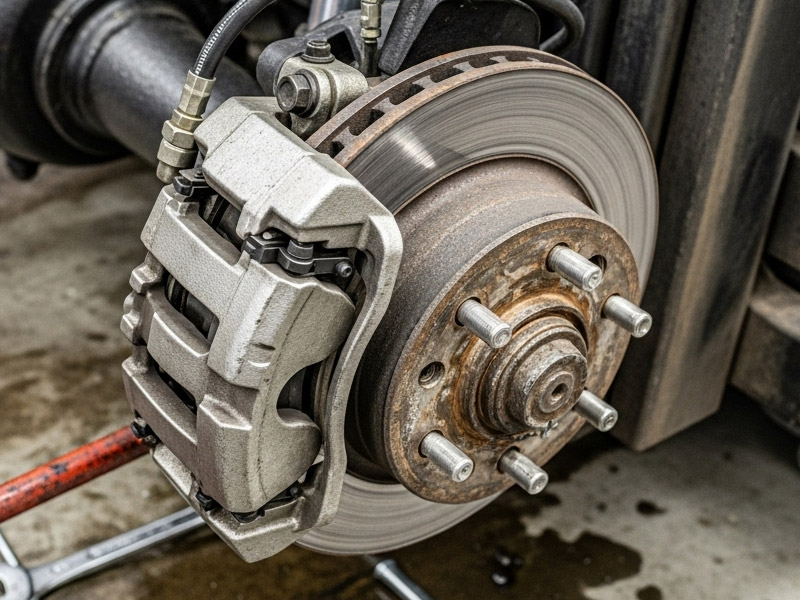
Understanding Forklift Brake Systems
Most modern forklifts employ hydraulic brake systems similar to those found in automobiles, but designed to handle the unique demands of material handling equipment. The system typically includes service brakes for normal stopping, a parking brake for securing the vehicle when not in operation, and often an additional transmission brake that engages automatically when the operator releases the accelerator.
The hydraulic system uses brake fluid to transmit force from the brake pedal to the brake assemblies at each wheel. This fluid operates under significant pressure and must maintain its properties under various temperature conditions and heavy use cycles common in warehouse environments.
Daily Brake Inspection Protocol
Every forklift operator should perform a basic brake inspection as part of their pre-operation checklist. This inspection should include testing the service brake pedal for proper feel and travel distance. The pedal should feel firm and not sink toward the floor when pressed. Any sponginess, excessive travel, or grinding sensations indicate potential problems requiring immediate attention.
The parking brake must also be tested daily. Engage the parking brake on a slight incline to verify it holds the forklift securely without rolling. A properly adjusted parking brake should engage with moderate force and hold the fully loaded forklift on the steepest grade it might encounter during normal operations.
Operators should also listen for unusual noises during brake application. Squealing, grinding, or metallic scraping sounds often indicate worn brake pads or other component issues that need professional attention.
Brake Pad Replacement
Brake pad replacement represents one of the most common brake system maintenance tasks. Unlike passenger vehicles, forklifts often operate in dusty, debris-laden environments that accelerate brake pad wear. The constant stop-and-go nature of material handling operations also contributes to faster pad degradation.
Signs that brake pads need replacement include reduced stopping power, longer stopping distances, squealing or grinding noises, and visible wear indicators showing through inspection ports. Many modern forklift brake systems include wear indicators that produce a distinctive sound when pads reach minimum thickness.
When replacing brake pads, it's crucial to use manufacturer-approved parts that meet the specific load and performance requirements of the forklift model. Generic or incorrect brake pads can lead to premature failure, reduced stopping power, or damage to other brake components like rotors or drums.
The replacement process typically involves removing the wheels, disassembling the brake caliper or drum assembly, and carefully installing new pads while inspecting other components for wear or damage. This work requires specialized tools and knowledge of hydraulic systems, making it inappropriate for untrained personnel.
Hydraulic Brake Fluid Management
Brake fluid serves as the critical link between the brake pedal and the actual braking force at the wheels. This fluid must maintain consistent viscosity and performance characteristics despite temperature variations, moisture absorption, and contamination from normal use.
Regular brake fluid inspection should focus on fluid level, color, and consistency. Fresh brake fluid typically appears clear or slightly amber, while contaminated fluid may look dark, cloudy, or contain visible particles. The fluid level should remain between the minimum and maximum marks on the reservoir, with sudden drops indicating potential leaks in the system.
Moisture contamination represents a significant concern for brake fluid performance. Over time, brake fluid absorbs moisture from the atmosphere, which can lead to corrosion of internal components and reduced boiling point. When brake fluid temperature exceeds its boiling point during heavy use, vapor bubbles can form in the system, resulting in brake fade or complete brake failure.
Most manufacturers recommend complete brake fluid replacement at specific intervals, typically ranging from annual replacement to every two years depending on operating conditions and fluid type. This preventive maintenance helps ensure consistent brake performance and extends the life of expensive hydraulic components.
Parking Brake Adjustments
The parking brake system requires periodic adjustment to maintain proper holding power as components wear over time. Most forklift parking brakes use either a mechanical cable system or a spring-applied, hydraulically-released mechanism integrated with the service brakes.
Cable-operated parking brakes typically include adjustment mechanisms that compensate for cable stretch and brake shoe wear. These adjustments ensure the parking brake engages fully when the lever or pedal reaches its normal operating position. Excessive lever travel or insufficient holding power indicates the need for adjustment.
Spring-applied parking brakes automatically engage when hydraulic pressure drops, making them particularly suitable for safety applications. These systems require different adjustment procedures, often involving pressure settings and spring tension specifications that must be precisely maintained for proper operation.
Parking brake adjustment procedures vary significantly between forklift models and brake system designs. Attempting adjustments without proper documentation and training can result in brake system damage or safety hazards. Professional technicians should perform these adjustments using manufacturer-specified procedures and torque specifications.
System-Wide Performance Verification
Beyond individual component maintenance, brake system performance must be evaluated as a complete system. This involves testing stopping distances under various load conditions, verifying even braking force distribution across all wheels, and ensuring proper integration between service brakes, parking brakes, and any auxiliary braking systems.
Stopping distance testing should be conducted with the forklift at maximum rated capacity on clean, dry surfaces. The results should fall within manufacturer specifications and remain consistent between tests. Increasing stopping distances or uneven braking performance indicate developing problems that require investigation.
Brake balance across wheels prevents dangerous conditions like wheel lockup or vehicle pulling during braking. Professional brake testing equipment can measure the force applied by each brake assembly, identifying imbalances that might not be apparent during normal operation.
Safety and Compliance Considerations
Brake system maintenance carries significant safety implications that extend beyond the individual forklift to encompass entire workplace safety programs. OSHA regulations require that powered industrial trucks be maintained in safe operating condition, with brake systems specifically mentioned as critical safety components.
Documentation of brake system maintenance and inspection provides essential evidence of compliance efforts and due diligence in maintaining workplace safety. These records become particularly important during safety audits, accident investigations, or insurance claims where brake system condition might be questioned.
Many organizations implement formal brake system maintenance programs that exceed minimum regulatory requirements. These programs often include more frequent inspections, predictive maintenance techniques, and enhanced technician training to identify potential problems before they result in safety incidents.
Conclusion
Forklift brake system maintenance represents a critical intersection of mechanical expertise, safety awareness, and regulatory compliance. The complex nature of modern brake systems, combined with their essential role in workplace safety, demands professional attention and systematic maintenance approaches.
Regular inspection, timely component replacement, and proper system adjustments ensure reliable brake performance throughout the forklift's service life. However, the technical complexity and safety implications of brake system work make professional service the prudent choice for most organizations. Investing in quality brake system maintenance protects not only expensive equipment but also the safety of operators and everyone in the workplace environment.