
Demystifying Forklift UL Ratings and Safety Classifications
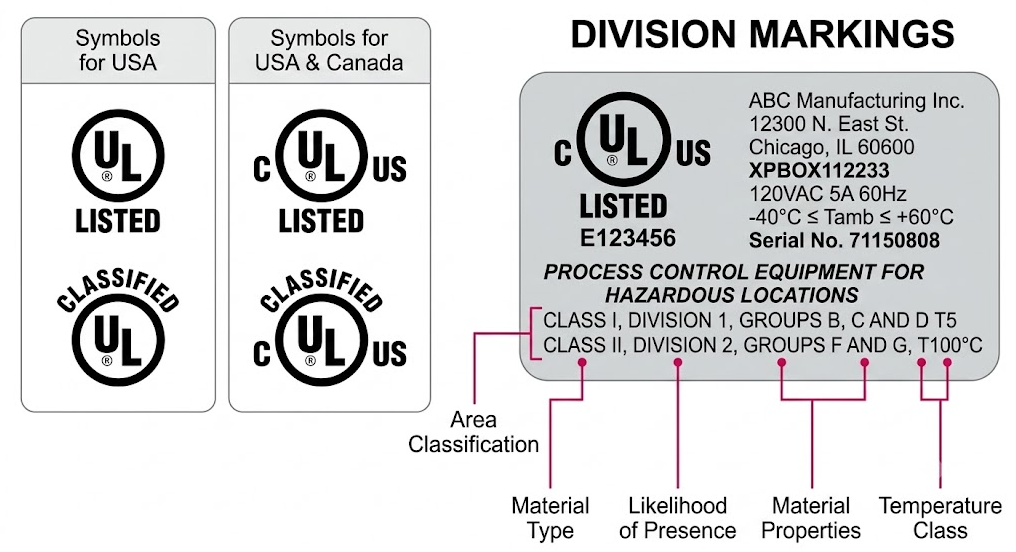
From standard warehouse to the specialized chemical plant, operating forklifts is more than just lift capacity and mast height.
Under OSHA rules, every new forklift—no matter how it's powered—needs to be inspected and rated by an independent lab like UL or FM. Basically, these ratings prove the equipment is safe to use around fire or explosion risks.
Here is a breakdown of what the different forklift safety classifications mean and how to ensure your fleet remains compliant.
Where to Find Your Forklift's Rating
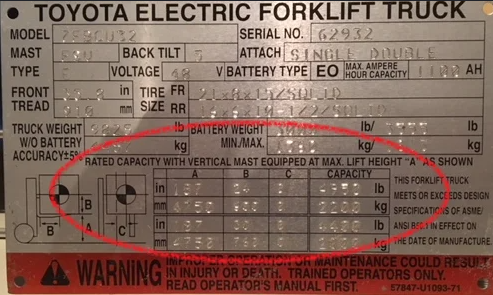
You never have to guess your equipment's classification. A forklift’s UL rating is stamped directly onto its data tag (also known as the capacity plate). Additionally, most manufacturers apply a highly visible decal directly on the chassis to indicate the rating at a glance.
Classifications by Power Source
Decoding a UL rating is pretty simple once you know what to look for. The first letter just tells you what fuels the truck. If there’s a second letter attached (like S, E, Y, or X), that means the forklift has extra built-in protections for hazardous environments.Gasoline Forklifts (G & GS)
- Type G: Think of this as your standard, everyday gas forklift. It covers the baseline fire safety requirements.
- Type GS: These trucks feature added safeguards. A GS rating means the forklift is designed to prevent sparks from being thrown off into combustible materials. (Note: This does not protect against explosive gases or dust).
Liquid Propane Gas Forklifts (LP & LPS)
- Type LP: The standard minimum fire hazard rating for LPG-fueled trucks.
- Type LPS: Similar to the GS rating but for propane, an LPS truck is equipped with components that shield its electrical, fuel, and exhaust systems from interacting with combustible materials in the environment.
Diesel Forklifts (D, DS, & DY)
- Type D: Just your standard diesel forklift. It meets the basic fire safety requirements for normal use.
- Type DS: This is your step up. To keep rogue sparks from escaping, the exhaust, fuel, and electrical systems are all tightly sealed off.
- Type DY: Built for extremely sensitive areas. To completely kill the chance of an electrical spark, these trucks have zero electrical parts. Instead of a standard horn, you literally use a squeeze horn or a bell. They even coat the forks and load backrest in brass so you won't throw sparks if you accidentally scrape a hard surface.
Electric Forklifts (E, ES, EE, & EX)
- Type E: The standard rating for electric trucks, covering minimum acceptable safeguards against inherent fire and electrical shock hazards.
- Type ES: These trucks include additional safeguards on the electrical system to prevent the emission of hazardous sparks and to limit surface temperatures.
- Type EE: With an EE rating, every single electrical part that could possibly throw a spark is completely sealed up.
- Type EX (Spark-Proof): The highest level of protection, EX-rated units are specifically tested and approved for use in explosive, hazardous locations. Not only are all electrical components fully enclosed, but the truck's physical construction is engineered to prevent friction sparks. The wiring is protected by heavy-duty conduit, the forks are made of non-sparking bronze, and the chassis is wrapped in a bronze band so that accidentally scraping against steel racks or walls will not ignite the surrounding air.
You can’t just drop any lift into a hazardous area and cross your fingers. Those letters on the data plate aren't just OSHA checking boxes. They are there to stop a random spark from taking down the whole building. If you have combustible dust or chemical fumes hanging around the floor, running a standard truck is a huge gamble. Take a minute to check your tags. Make sure the lift is actually built for the air it's breathing.
Please log in to leave a comment.
No Comments Yet